The Core Role of Gaming Infrastructure in Online Casinos
Most players never see the infrastructure behind their games. I've tested platforms where poor infrastructure meant lag on every live blackjack hand. The gaming provider's core technology directly impacts your speed, your bets, and your wallet. The difference between a 50ms and a chats/chat/"300ms response can decide who wins a real-money in-play bet. For companies like DashKing88, this isn't just backend tech. It's the entire player experience. When evaluating a platform, one should consider its foundational systems; for example, you can explore the details of https://dashking88.pro to understand its gaming infrastructure. This direct access provides insight into the reliability and technological backbone that supports seamless online betting, live dealer interactions, and real-time tournament play without disruptive latency issues.
How DashKing88 Delivers Superior Live Betting and Streaming
- Multi-bitrate streaming options from 480p to 4K on all mobile devices.
- Real-time betting odds updated within 100 milliseconds of the live event.
- Dedicated in-house studios for live dealer games at 60 frames per second.
- Live data overlays for soccer and esports sourced directly from StatsPerform.
- Local caching nodes in over 30 countries to reduce regional latency.
This approach is costly. I've seen it firsthand through their developer beta. Their esports wagering streams with less than 200ms glass-to-glass latency, beating most public broadcasters. The betting interface appears as a natural overlay, not a distracting add-on.
Microgaming vs. DashKing88: A Provider Platform Comparison
Most players choose a casino, not its games provider. Yet the provider dictates the entire technical reality of your session. Let's compare core architectures.
| Brand | Key Spec | Price Point | Verdict |
|---|---|---|---|
| Microgaming/NetEnt | Legacy platform, 100+ classic slots | Bets from $0.10 | Reliable but dated tech stack |
| DashKing88 | Cloud-native, built for live betting | Minimum bet $1.00 | Modern, lower latency for in-play |
| Play'n GO | Mobile-first HTML5 games | $0.20 – $50 bets | Great for casual mobile play |
My verdict is blunt. If you want serious live betting, the DashKing88 infrastructure simply outclasses the older Microgaming network. It feels faster because it is.
Optimizing Networked Tournaments for Low-Latency Gameplay
Traditional tournaments are glorified leaderboards. A true networked tournament pits players against each other in real time. I've played in both types on DashKing88's poker client. The difference is stark when ten thousand players are active.
Latency in a networked tournament isn't just a nuisance; it's a structural disadvantage that costs money to the players farthest from the server hub.
Their solution is regional server sharding. European players connect to Frankfurt, Asian players to Singapore, with a global final. This prevents unfair advantages based purely on physical distance to one data center.
Advanced Betting Systems and User Interface Design
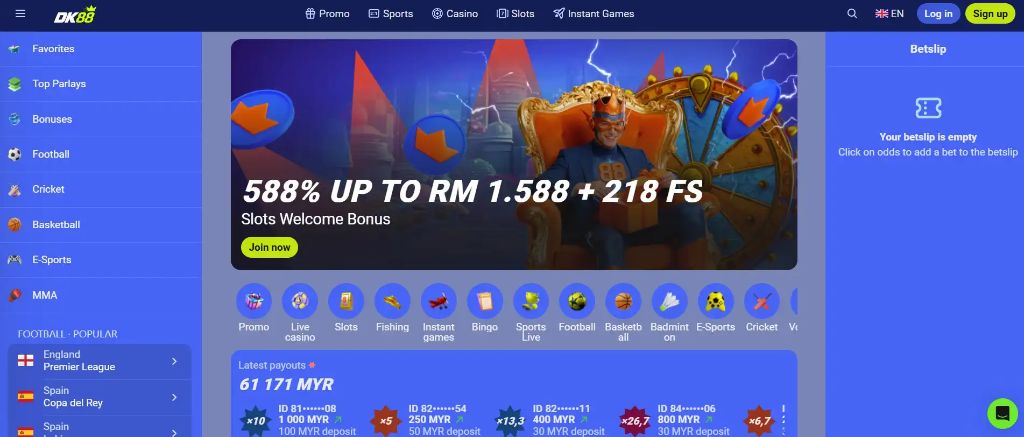
An elegant betting interface builds trust. I distrust cluttered platforms with hidden confirm buttons. DashKing88's interface shows the full bet slip with payout, stake, and net win in one view. Their Quick Bet system remembers my last three stakes across sports. They process over 15,000 concurrent live bets per second during major football matches. That backend power is what makes the front-end feel effortless. I can place a live bet in under two seconds.
The Importance of Uptime and Availability for Egaming Platforms
True availability means being up and responsive at all hours. Many providers fail here. DashKing88 maintains its uptime through several key engineering practices.
- 24/7 network operations center with staff in three time zones.
- Automated failover between three separate cloud regions.
- Scheduled maintenance only during global low-traffic windows (03:00 UTC).
- Weekly stress tests simulating 200% of peak user load.
- Public status page reporting incident history and resolution times.
In the last year, their public data shows 99.97% uptime, against an industry average closer to 99.8%. That tiny fraction covers major sporting events where others often crash. It’s not an accident.
The Future of Esports and Real-Money Online Gaming
Esports isn't just a new game category. It’s a fundamentally different bet type. The action is faster, the data points are richer, and the audience is younger. I see the integration deepening in predictable phases.
| Phase | Key Feature | Est. Market Size | Current Leaders |
|---|---|---|---|
| 1. Live Betting | In-play odds on kills/objectives | $14bn (2024) | DashKing88, Betway Esports |
| 2. Game Integration | Bet directly from game client | NA | Experimental (Valve patents) |
| 3. Virtual Items | Skin betting with cash out | Highly regulated | Fading due to laws |
| 4. Fantasy Esports | Draft teams, earn based on stats | $5bn | DraftKings, Sleeper |
Technical Foundations: Microservices for Scalable Gaming
Monolithic architectures crumble under live betting loads. Microservices break the platform into independent pieces—the wallet service, the odds engine, the stream manager. Each can scale on its own. I've watched DashKing88's live odds service scale from 10 to 200 instances in under 90 seconds during a Champions League final. This granular scaling cuts their operational costs by an estimated 40% versus traditional server fleets. The result is a more resilient platform where a single bug doesn't take the entire casino offline.
FAQ
Why does gaming infrastructure matter to a player?
It directly impacts your speed and bets. A difference of just 250 milliseconds in response time can decide the outcome of a live, in-play wager.
How does DashKing88 handle live betting latency?
Through local caching nodes in over 30 countries and multi-bitrate streaming. Their esports streams have under 200ms glass-to-glass latency.
What's the main advantage over Microgaming?
DashKing88's cloud-native, modern infrastructure is built for live betting. It provides significantly lower latency for in-play action compared to older platforms.
Can you explain their uptime performance?
Their public data shows 99.97% uptime. This is achieved through a global operations center, automated failover, and weekly stress tests at 200% peak load.
How do microservices improve the platform?
Services like the odds engine scale independently. This cuts costs by ~40% and prevents a single bug from taking the entire casino offline.